
K&H Outdoor Heated Kitty House: Fit, Placement and Power Use
Is the K&H outdoor heated kitty house right for your cat? Bed size, where it can go, the no-extension-cord rule, what the 20-watt pad does and its daily power use.
PawCog earns a commission from qualifying purchases made through links marked “Paid link”, at no extra cost to you. As an Amazon Associate I earn from qualifying purchases.
On this page
AI-generated visuals: illustrative only, not a product test.
Heated Cat House Feels Cold? What K&H's Manual Says + 3 Checks
Open the video pageVideo transcript
Your heated cat house feels cold when you touch it? That might be exactly how it's supposed to work. Here's what the heater actually does, and three things to check before you buy one or set it up. K&H's manual says to plug it in and give it fifteen to thirty minutes to warm up. After that, the empty bed is meant to feel cooler, to save energy. When a cat lies on it, it warms up. The manual even gives a simple test: lay a blanket over part of the bed, wait a few minutes, then slide your hand underneath. Warm under the blanket means it's working. If it still feels cold, the manual says to stop using it, and K&H covers it with a one-year warranty. Check one: size. This house measures about nineteen by twenty-two by seventeen inches outside, and the bed inside is about fourteen by eighteen. That suits one adult cat. And don't size up just to be safe: Alley Cat Allies says a shelter that's too big loses heat quickly. If several cats share one spot, look for a larger heated shelter made for more than one cat. Check two: power. The pad is rated at twenty watts, so even if it ran nonstop all day, that's at most about half a kilowatt-hour. The built-in thermostat regulates it, so real use can be lower. The cord is about five and a half feet, and K&H says not to use an extension cord. Outdoors, the manual says to plug into a properly grounded outlet rated for outdoor use, and if you don't have one, to get an electrician to add one. Keep the cord running outside the shelter. Check three: placement. The manual says to set it on a hard, flat surface, somewhere out of the rain and snow, like a covered porch or a garage. Alley Cat Allies adds two tips: face the entrance away from the wind, and raise the shelter off the ground. A wood pallet works. And don't pile blankets on the pad. K&H says to use only its own cover. One last thing when you shop: the same product name covers a heated and an unheated version. Make sure the listing you pick says heated and mentions the twenty-watt pad. We haven't tested this house ourselves. Everything here comes from K&H's manual and product page, plus Alley Cat Allies. The full guide is linked in the description. PawCog may earn commissions from links on our site.
Short answer: The K&H outdoor heated kitty house fits best when you are sheltering one adult cat and have a covered, dry spot within reach of an outlet. The heated version includes a 14 × 18 in heated bed, the cord is 5.5 feet long, and K&H says “Do not use with extension cord.” For several cats, K&H recommends its larger Outdoor Multi-Kitty A-Frame instead. See it on Amazon (Paid link)

K&H official product image of the heated Olive/Olive version.
Who the K&H outdoor heated kitty house suits
Choose this house for a single cat. The number that decides fit is the sleeping surface, not the outside of the box. K&H lists these measurements:
- Exterior: 19 × 22 × 17 in.
- Sleeping surface: 14 × 18 in.
- Highest interior point: 15 in.
- Two exits, each 6 × 8 in, with removable clear door flaps.
Measure the space your cat takes up while curled up and compare it with the bed. If your cat sprawls past that size, or two cats share a spot, look at the A-Frame below.
Skip the heated version if the only outlet is out of cord reach, or if the spot can collect standing water after heavy rain.
Where to put it
K&H says to place its outdoor beds and pads in a relatively dry area such as a covered porch, garage, kennel or dog house. The pad is water-resistant, but it should not sit where rain can pool and should never be immersed. The roof is not meant to hold a cat, so do not use it as a perch.
Alley Cat Allies adds general shelter advice that applies here: face the entry away from the wind and raise the shelter off the ground, for example on a wood pallet. Check the shelter regularly. If the cats ignore it for a few weeks, move it closer to where they already rest. Alley Cat Allies suggests a good shelter size of 2 feet by 3 feet and at least 18 inches high, for three to five cats to huddle. At 19 × 22 × 17 in with 15 in of interior height, this K&H house is a smaller, single-cat option.
Heated vs unheated: buy the right version
The house is sold in heated and unheated versions under one name. K&H says the heated version includes its small 14 × 18 in outdoor heated bed and the unheated version does not. Before you check out, make sure the listing names the heated version and the 20-watt pad.
K&H Outdoor Heated Kitty House (Olive): Best for one cat
See it on Amazon (Paid link)

K&H official “What’s included” image for the heated version.
What the heated bed does, and what it does not
K&H says its outdoor beds and pads warm to a pet’s normal body temperature of 102°F when the pet lies on them. When the cat is not on the bed, the heat dissipates into the air and the surface temperature follows the outdoor air. So this is a warm bed inside a shelter, not a heated room. K&H says the walls are waterproof and can withstand snow.
Two more points from K&H matter for setup:
- There is no on/off switch. The pad is always on when plugged in, and it is designed for 24/7 operation.
- Put nothing on top of the pad except the cover that comes with it. That rules out piling straw or a blanket over the heated bed.
K&H also says not to place the pad in a confined area where the pet cannot get off it, so leave room for the cat to move away from the warm surface.
How much electricity it uses
The pad is rated at 20 watts. If it drew that full rating all day, the math is:
20 W × 24 hours = 480 Wh, or 0.48 kWh per day.
That is the ceiling, not a measured number. K&H says the thermostat warms the bed to body temperature when in use, so real draw can be lower. To estimate your cost, multiply 0.48 kWh by the rate on your electric bill and by the number of days you plan to run it.
Pros and cons
Pros
- A heated sleeping surface made for outdoor use, in a house with waterproof walls.
- Two exits with removable flaps give a cat two escape routes.
- Clear measurements make it easy to check fit before buying.
Cons
- The bed suits one cat; several cats need the larger A-Frame.
- The cord is short and an extension cord is not allowed, which limits placement.
- No switch: unplug it to turn it off.
- The roof cannot take a cat’s weight.
Alternatives
- Several cats or a big cat: K&H recommends the Outdoor Multi-Kitty A-Frame for multiple cats. Its sleeping surface is 19 × 24 in, compared with 14 × 18 in here.
- No usable outlet: the unheated version of this house skips the heated bed. Alley Cat Allies suggests straw for bedding in unheated shelters, and says to avoid hay, blankets and towels because they hold moisture.
FAQ
Can I use an extension cord with the K&H outdoor heated kitty house? No. K&H says “Do not use with extension cord.” The cord is 5.5 feet long, so plan the spot around an outlet within that distance.
Does it stay on all the time? Yes, while it is plugged in. K&H says there is no on/off switch and the pad is designed for 24/7 operation.
Will it keep an empty house warm? No. The bed warms to about body temperature when a cat lies on it. When the bed is empty, the surface temperature follows the surrounding air.
Method and sources
We read the K&H product page and its Q&A for this house, plus Alley Cat Allies’ shelter guidance, on November 10, 2026. We did not test the house or measure its temperature or power use. The electricity figure is a calculation from the 20-watt rating.
- K&H Thermo Outdoor Kitty House product page: https://khpet.com/products/thermo-outdoor-kitty-house-heated-unheated
- Alley Cat Allies, Providing Shelter: https://www.alleycat.org/community-cat-care/providing-shelter/
As an Amazon Associate, PawCog earns from qualifying purchases.
More from PawCog
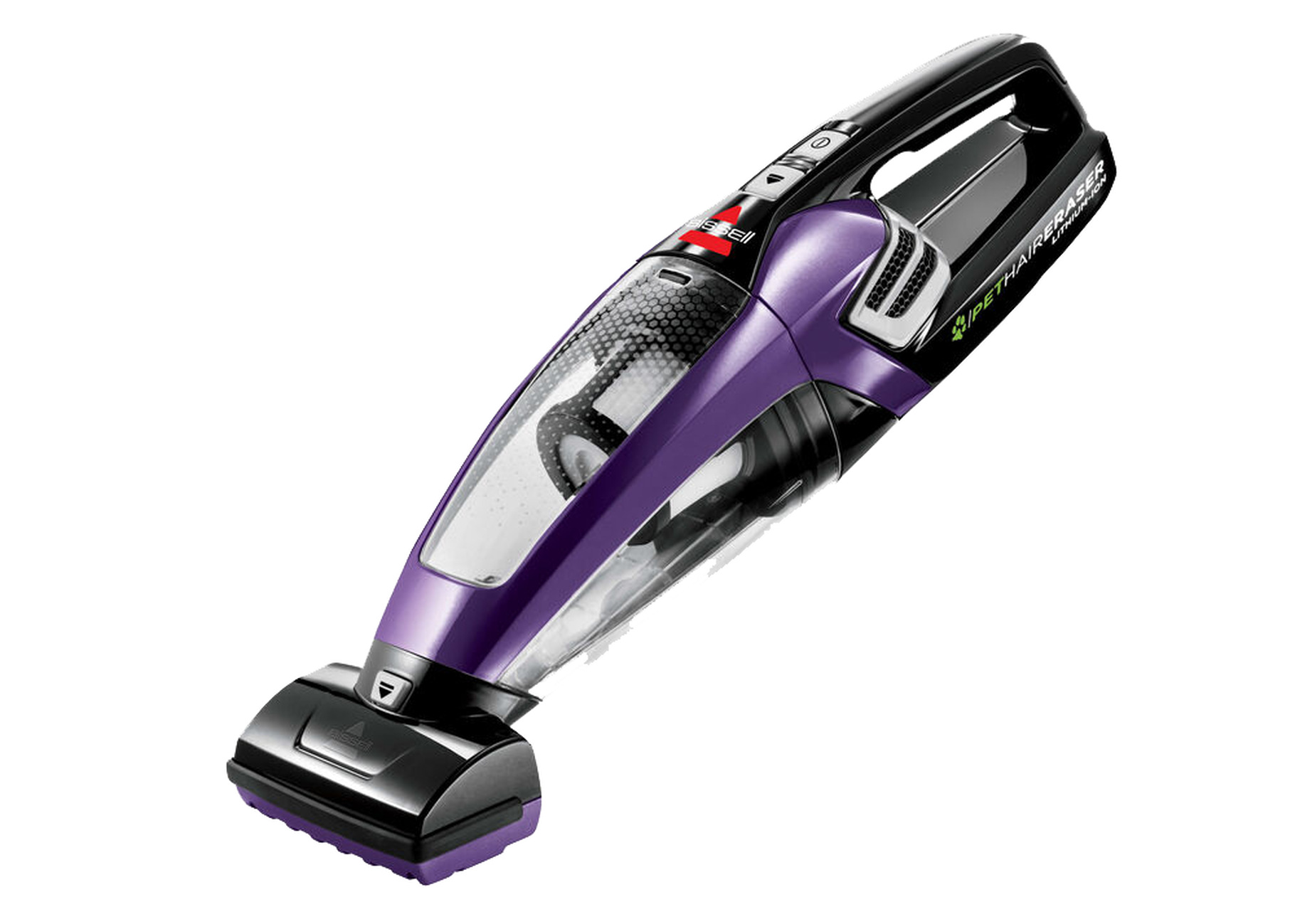
Handheld vacuum for pet hair: Is BISSELL 2390 a fit?
We recommend the BISSELL 2390 for targeted pet-hair cleanup on furniture, stairs and car seats, rather than as your main floor vacuum. Its three attachments, stated runtime of up to 17 minutes and 3 lb weight make the most sense for short, specific jobs.
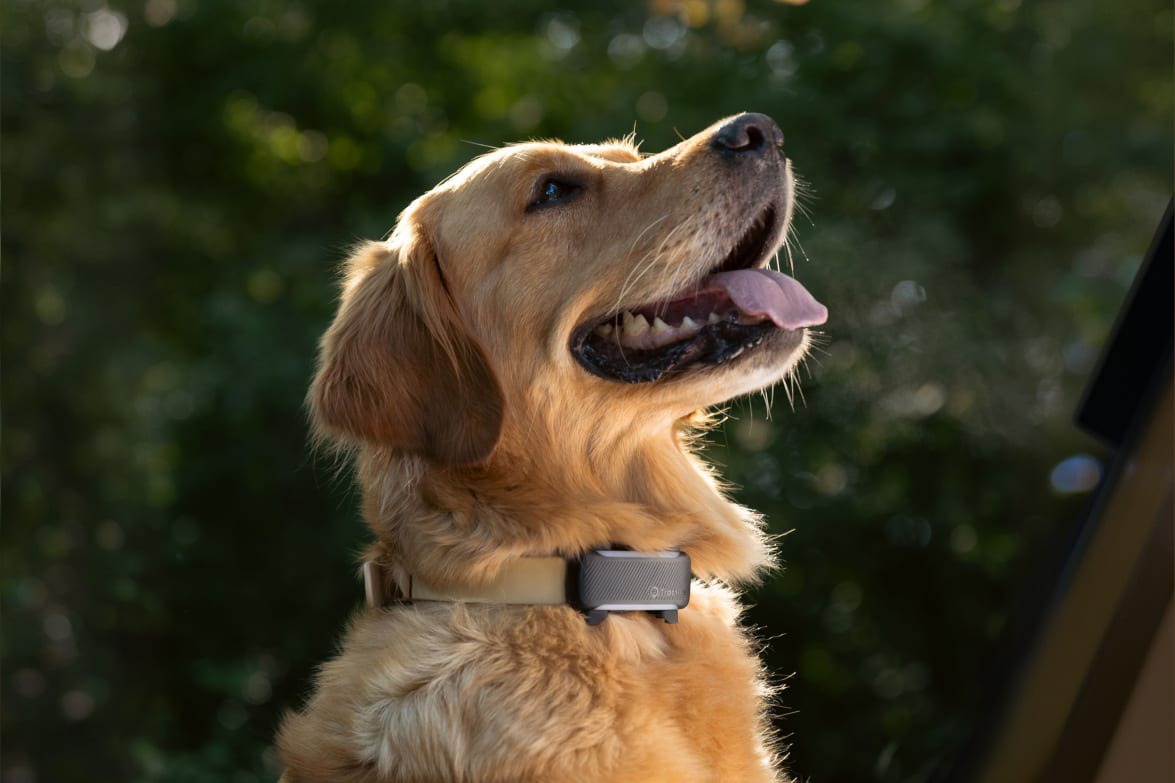
Tractive smart dog GPS tracker: Is DOG 6 a fit?
DOG 6 is a conditional choice for dogs weighing more than 4 kg whose owners accept a subscription. Its fit threshold and battery claim differ from DOG 6 XL, while its advertised battery life depends on Power Saving Zones.
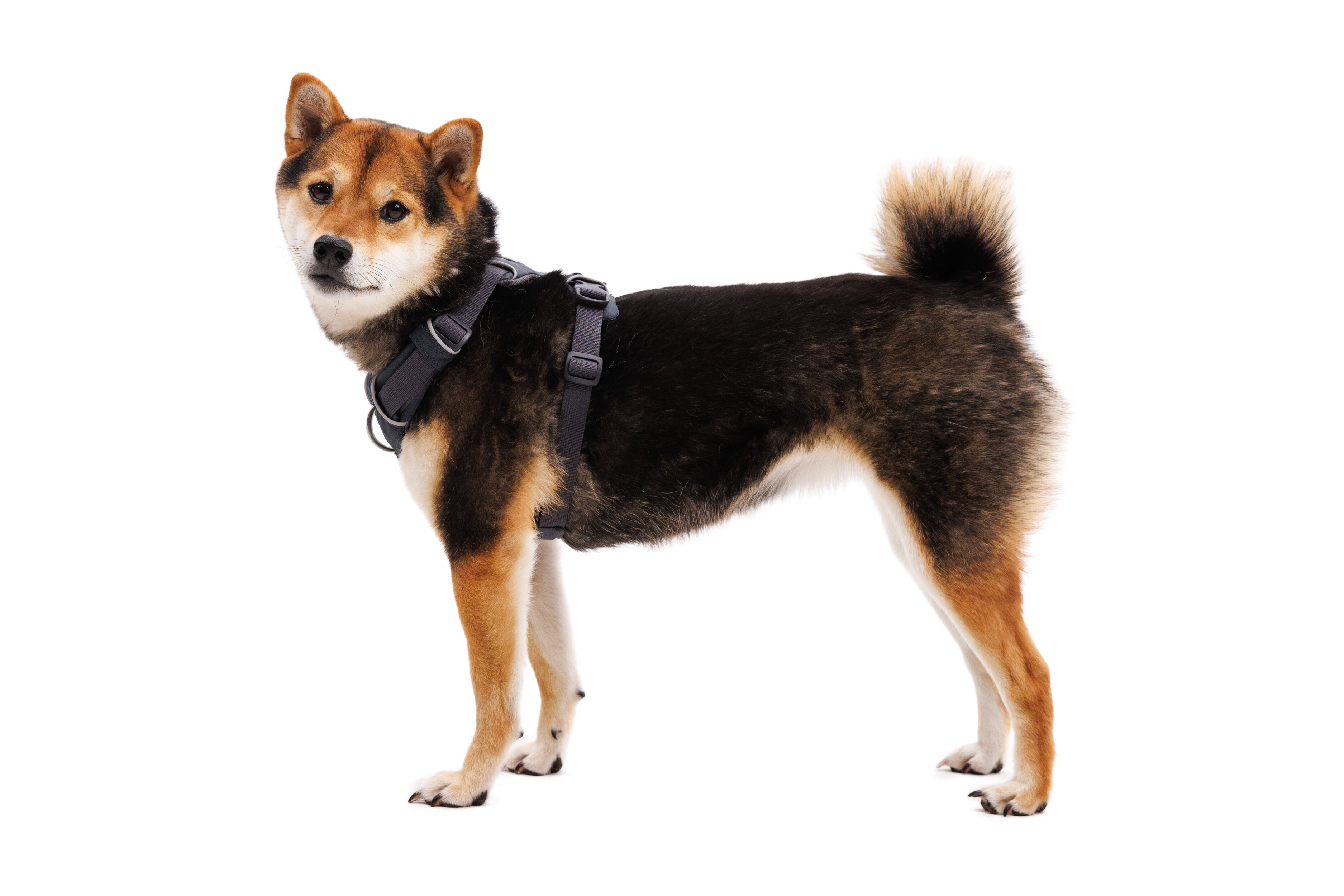
Ruffwear Front Range Harness: Right for your dog?
The Front Range is a sensible everyday choice for owners who want padding and both back and chest leash attachments. We would prioritize measured fit and ease of dressing over color, while treating older reviewers’ adjustment and durability findings as version-specific.