
Ruffwear Front Range Harness: Right for your dog?
The Front Range is a sensible everyday choice for owners who want padding and both back and chest leash attachments. We would prioritize measured fit and ease of dressing over color, while treating older reviewers’ adjustment and durability findings as version-specific.
Quick answer: We recommend the Ruffwear Front Range Harness for everyday walks if you want padding and a choice of back or chest leash attachment; skip it if effortless initial adjustment is your priority, and don't rely on it for lifting, skijoring or securing your dog in the car, uses Active Gear Review says it isn't meant for. Ruffwear documents those features, while Rover’s reviewers found setup fiddly on their harnesses. We did not purchase or test this harness.
On this page
Quick answer: We recommend the Ruffwear Front Range Harness for everyday walks if you want padding and a choice of back or chest leash attachment; skip it if effortless initial adjustment is your priority, and don't rely on it for lifting, skijoring or securing your dog in the car, uses Active Gear Review says it isn't meant for. Ruffwear documents those features, while Rover’s reviewers found setup fiddly on their harnesses. We did not purchase or test this harness.

Does this Ruffwear harness suit your dog’s dressing routine?
The strongest match is an owner willing to spend time fitting the harness before judging its everyday convenience. Rover found the Front Range straightforward to put on after adjustment, but initially difficult to adjust because the straps resisted movement through the buckles.

Ruffwear describes easier girth-strap adjustment on the current version, whereas Rover reports difficulty on the harnesses it reviewed. That distinction matters: Rover's version-unspecified experience identifies something worth checking, but does not establish how the revised straps handle.
For a dog that dislikes having equipment passed over its head, dressing deserves particular attention. Writing about an earlier version, Active Gear Review suggests slackening the neck straps before the first fitting. We would favor a different dressing arrangement if that process is already a struggle for your dog.
Padding alone should not decide the purchase. Ruffwear specifies PE foam and four adjustment points; our buying judgment is to weigh those features alongside your dog’s tolerance for the fitting process, rather than treating a padded design as an automatic comfort verdict.
Choose the size and leash position together


Ruffwear Front Range Harness: Best for everyday attachment flexibility
Who it's for: Owners who want to choose between a back connection and a chest connection without changing harnesses. Ruffwear specifies an aluminum V-ring on the back and reinforced webbing at the chest; the chest connection is nylon webbing with a TPU tube, rather than a second aluminum ring.
How do you measure a dog for a Ruffwear Front Range harness?
Measure around the widest part of the rib cage. Use that circumference to select the size, rather than starting with a breed label or the size of another harness.
The following girth ranges and boundary guidance come from Ruffwear’s current product page.
| Size | Rib-cage girth |
|---|---|
| XXS | 13–17 in (33–43 cm) |
| XS | 17–22 in (43–56 cm) |
Ruffwear directs buyers between sizes to choose the larger size. XXS and XS are easy variants to confuse: their ranges meet at 17 in (43 cm), so the boundary guidance matters as much as the letters on the label.
In Active Gear Review’s test of an earlier version, both dog testers fit within the size medium with girths of 28 and 30 inches. Those are useful real-dog examples, but belong to that earlier version rather than serving as a current medium-size chart.

Which leash attachment should I use on the Front Range harness?
Choose the back V-ring for ordinary walks; choose the chest attachment when you want the redirection function Ruffwear describes for dogs that pull. We see the value in having both options, rather than assuming every walk calls for the chest connection.
There is also a cosmetic variation: Ruffwear notes that the aluminum V-ring may have a matte or chrome finish. Do not confuse that finish variation with the material difference between the back and chest attachments.
Small conveniences and what the wear reports show
Ruffwear identifies an ID pocket that keeps tags quiet and accessible, reflective trim, and a loop for attaching The Beacon light. These serve different purposes: tag storage addresses noise and organization, while the loop gives the light a designated attachment location. Ruffwear describes the trim and light loop as visibility features for low-light conditions.

According to Rover, Roo had worn the same Front Range for two years after reaching adult size, and Enzo was still using his original harness six years on.
Rover judged the harness durable through repeated washing, but noted that lighter colors can gradually stain around the back clip; Active Gear Review, writing about an earlier version, advises hand washing with mild detergent and hanging it to dry. We would distinguish continued usability from cosmetic freshness: those accounts support a favorable durability impression, with a specific appearance trade-off. They do not give an individual buyer a replacement schedule.
The Front Range’s strongest benefits and compromises
Pros
- Useful attachment choice: Back and chest connections let leash position be a deliberate choice, instead of the reason to buy a second harness.
- Several ways to refine fit: Four adjustment points accompany the PE foam padding; that combination is more relevant to this purchase than padding alone.
- Long-term use: Rover says one of its dogs was still using his first Front Range six years after adoption.
Cons
- Setup can demand patience: Rover’s strap-adjustment experience makes this a conditional recommendation for owners who prioritize quick fitting.
- Appearance can age before usefulness: Rover’s light-color staining report matters if keeping gear looking clean is important to you.
- Coverage stops at the rib cage: Active Gear Review notes the Front Range does not wrap or support the dog's mid and hind quarters, so it is a walking harness rather than a lifting or car-restraint one.
How it compares: Front Range or Ruffwear Web Master?
Choose the Front Range when everyday walking versatility is the priority; consider the Ruffwear Web Master when you want a more extensive support arrangement. Rover’s comparison describes Front Range padding across the chest, belly, and back, but credits the Web Master with more widespread support.
That is the useful same-measure comparison here: where and how broadly the harness supports the dog. Rover’s overall verdict favors the Front Range as a tough, versatile everyday option. We would keep that walking brief central rather than choosing the more extensive arrangement without a specific reason.
FAQ
Is the Front Range a no pull dog harness?
Ruffwear describes the chest attachment as a way to redirect pulling. We would buy it for that attachment option, rather than assume the harness alone will change your dog’s walking behavior.
What size Ruffwear Front Range harness does my dog need?
Start with rib-cage girth. The table above covers only XXS and XS; if your dog's girth is above 22 in, check Ruffwear's current size chart before ordering. Ruffwear directs buyers between sizes toward the larger option, whereas Rover’s reviewed harnesses prompted advice to size down because they ran big. For the current purchase, we would prioritize the current maker’s measurement guidance over that version-unspecified sizing impression.
How we assessed the Front Range evidence
We compared Ruffwear’s current Front Range product page with Rover’s multi-harness account and Active Gear Review’s earlier-version assessment. Our work was limited to document comparison: fit, leash handling, washing, and wear were evaluated through those descriptions rather than firsthand measurements. Current specifications anchor the feature choices; independent observations retain their version and use-history limits.
Our recommendation: measure girth first, choose the leash position you want, and give the dressing process as much weight as the padding — while treating this as a walking harness, since it is not built for lifting, car restraint or dogs whose pulling may call for a handle.
Sources
More from PawCog
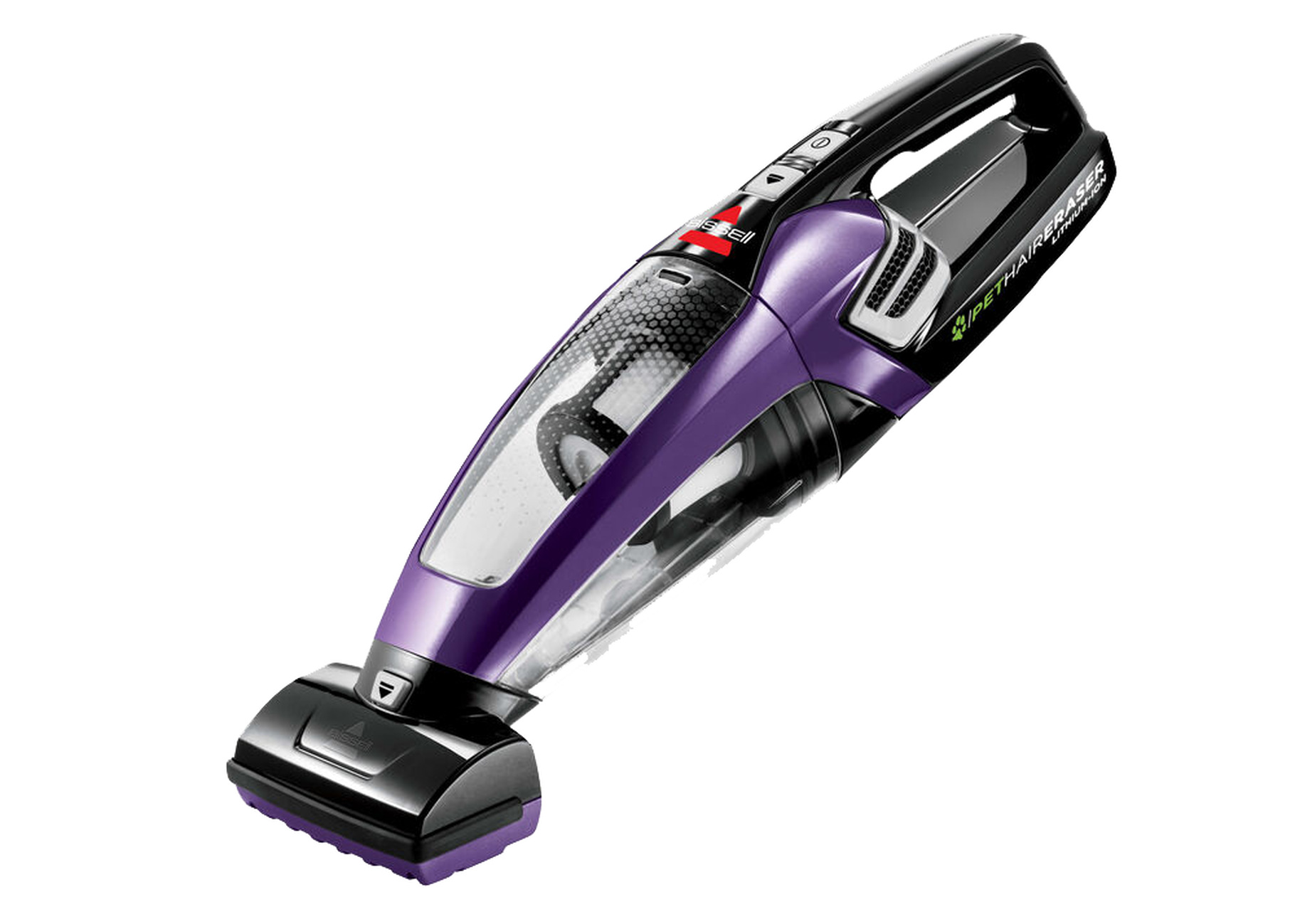
Handheld vacuum for pet hair: Is BISSELL 2390 a fit?
We recommend the BISSELL 2390 for targeted pet-hair cleanup on furniture, stairs and car seats, rather than as your main floor vacuum. Its three attachments, stated runtime of up to 17 minutes and 3 lb weight make the most sense for short, specific jobs.
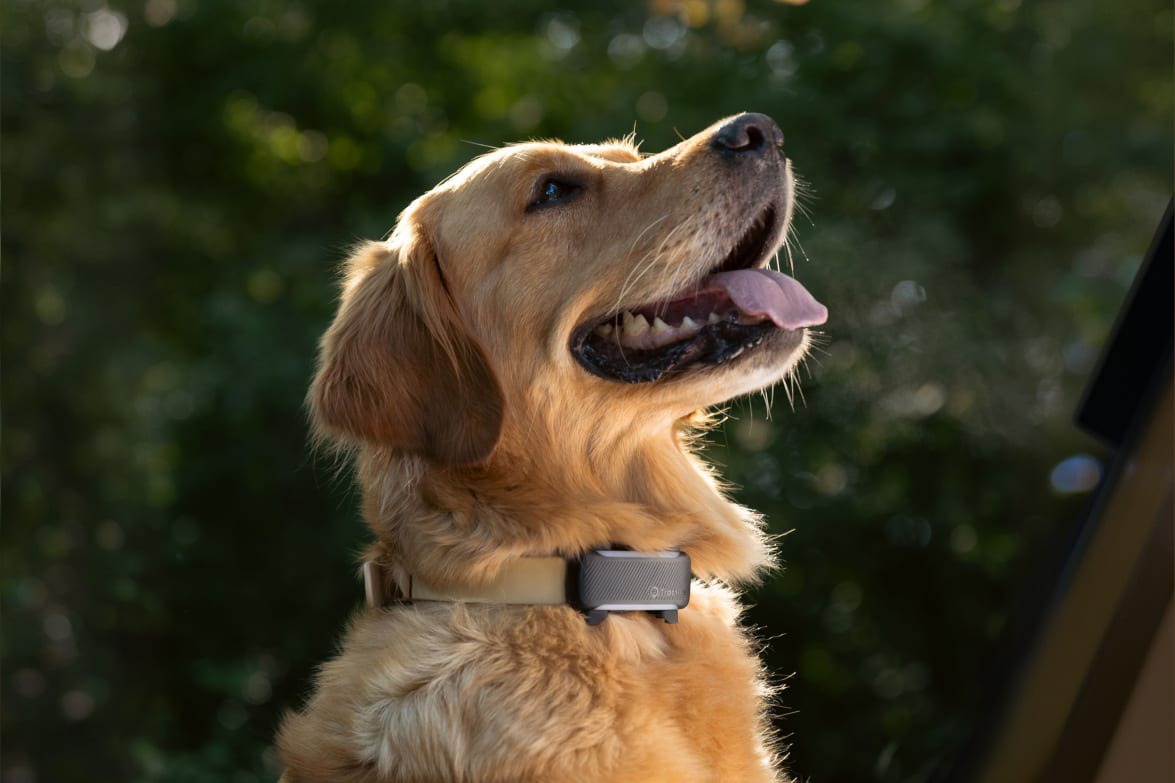
Tractive smart dog GPS tracker: Is DOG 6 a fit?
DOG 6 is a conditional choice for dogs weighing more than 4 kg whose owners accept a subscription. Its fit threshold and battery claim differ from DOG 6 XL, while its advertised battery life depends on Power Saving Zones.
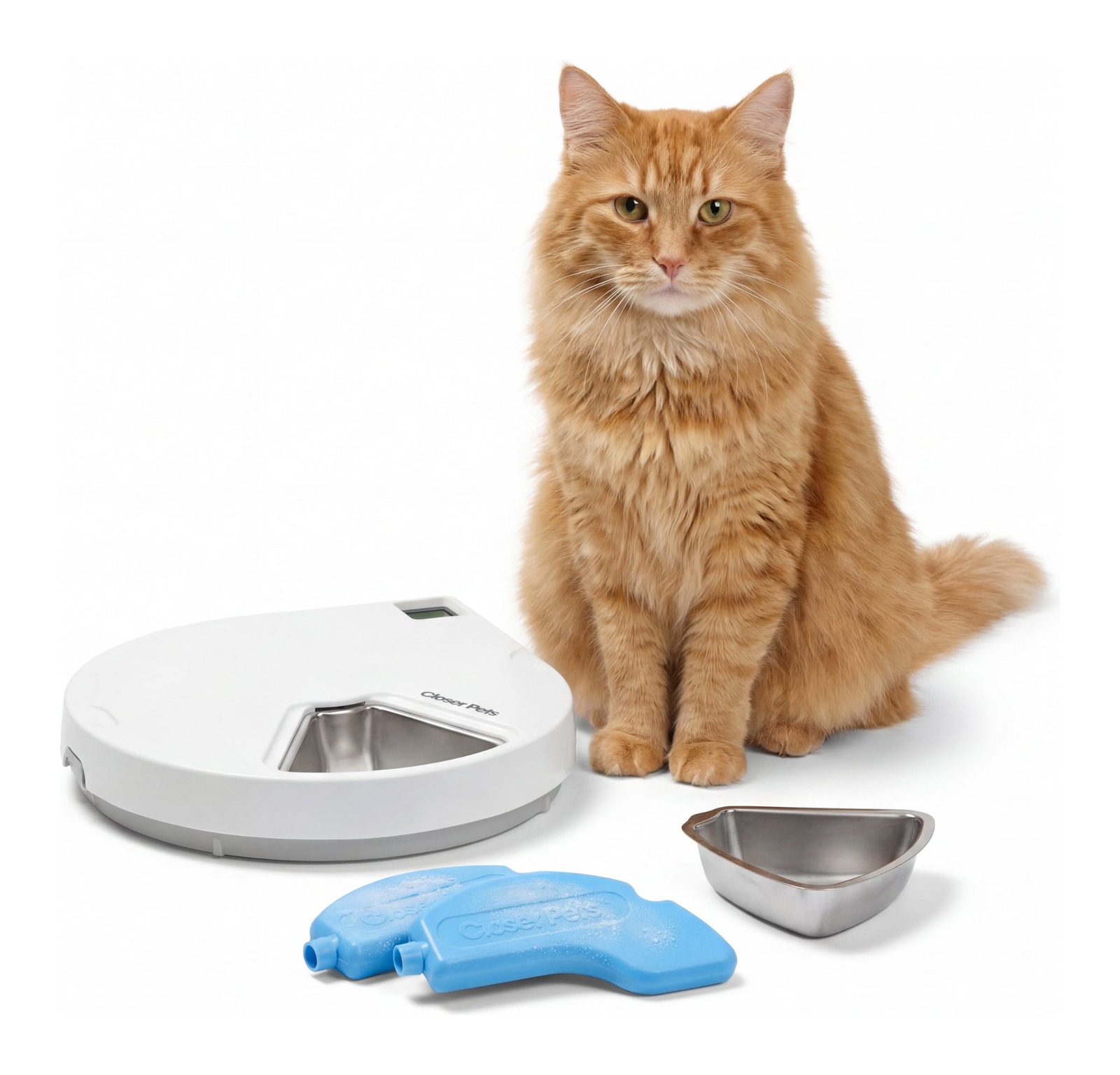
Cat Mate C500 automatic pet feeder: Workday fit
The current Closer Pets C500 stainless steel package suits owners who want individually portioned meals, with one serving accessible immediately and up to four timed servings afterward. Its included ice packs support the maker’s freshness claim, but we would not choose it for a full canned-food workday on that claim alone.